

If you’re wondering how long to boil corn on the cob for that perfect, buttery bite, you’re in the right place.
Boiling corn sounds simple, but there is a big difference between crisp-tender, juicy kernels and corn that is bland or mushy.
After making corn on the cob for busy weeknight dinners and relaxed weekend barbecues, I’ve learned that a few minutes one way or the other really do matter.
In this guide, I’ll walk you through the best boiling time, a simple step-by-step method, and easy flavor upgrades so you can get sweet, tender corn every time.
Why Boiling Time Matters
Boiling corn on the cob is not just about softening the kernels. The timing affects:
- Sweetness – cook it too long and the natural sugars start to dull.
- Texture – overcooked corn turns chewy; undercooked corn stays a bit tough.
- Juiciness – the right timing keeps the kernels plump and juicy instead of dry.
That is why getting the boiling time right makes such a big difference. A simple 5–7 minute window is usually all you need for tender, flavorful corn that still tastes fresh.
“If you’re planning a simple dinner around this corn on the cob, try serving it with my Melt-in-Your-Mouth Instant Pot Pork Loin for an easy main, or finish with a slice of Banana Cake that stays moist and soft for days.”
“On hot days, pair your corn with a refreshing Cherry-Red Antioxidant Smoothie to cool down and boost your antioxidants.”
Quick Answer: Ideal Boiling Time for Corn on the Cob
So, how long should you boil corn on the cob?
- Fresh corn on the cob: 5–7 minutes in boiling water
- 5 minutes → tender but still slightly crisp
- 7 minutes → softer, very tender kernels
- Frozen corn on the cob: 8–10 minutes
- Frozen corn needs a couple of extra minutes to heat through and soften.
The exact time depends on how fresh the corn is and how big the ears are, so think of this as a guide and adjust a minute or so either way based on your texture preference.
Equipment You’ll Need

Before you start boiling, it helps to have everything ready so you are not fumbling around once the water is already rolling.
Here are the basics:
- Large Pot: Choose a deep, wide pot that can fit all your ears of corn in a single layer, or at least let them move around a bit. Overcrowding makes it harder for the corn to cook evenly.
- Tongs: Corn comes out of the pot steaming hot, so a sturdy pair of tongs makes it easy (and safer) to lift each ear out of the boiling water.
- Colander: Helpful for draining several ears at once and shaking off excess water before serving.
- Sharp Knife (Optional): If your pot is on the smaller side, you can cut the ears in half to help them fit without forcing them in.
- Serving Platter: A large plate or platter gives you space to line up the ears, add butter, and sprinkle on any toppings while the corn is still hot.
You do not need any special equipment beyond this, which is one reason boiled corn on the cob is such an easy side dish.
Types of Corn
Not all corn tastes or cooks the same way. Knowing what you are working with can help you set your expectations for sweetness and texture.
Here are the most common types you are likely to see:
- Sweet corn
This is the classic choice for boiling. It has a higher sugar content, which gives you that naturally sweet, juicy bite. It is what you will usually find at the grocery store or farmers’ market in summer. - Yellow corn
A variety of sweet corn with bright yellow kernels and a slightly stronger “corn” flavor. The kernels are often a bit larger and a touch firmer. - White corn
Usually a little milder and more delicate in flavor, with smaller, very tender kernels. If you like softer corn on the cob, white corn is a great pick. - Bicolor corn
A mix of yellow and white kernels on the same cob. It gives you the sweetness of sweet corn with a nice balance of flavor and is very popular for barbecues and picnics. - Field (dent) corn
This type is grown mainly for animal feed and processed products. It is much starchier and tougher than sweet corn and is not a good choice for boiling and eating on the cob. - Baby corn
Harvested very early while the ears are still small and immature. It is more common in stir-fries and salads than as a classic boiled corn-on-the-cob side dish.
For this guide, we’re talking about boiling fresh sweet corn (yellow, white, or bicolor) and frozen corn on the cob you buy in the freezer section.
Step-by-Step Guide to Boiling Corn on the Cob
Here’s your go-to method for perfectly boiled corn every time.
1. Prep the Corn

Peel away the husks and remove as much of the silk as you can with your hands or a clean kitchen towel.
If you prefer to cook the corn with some husk on, pull the husks back, strip out the silk, then fold the husks loosely back over the cob before boiling.
2. Boil the Water
Fill a large pot with enough water to fully cover the corn.
Leave a bit of space at the top so it doesn’t boil over once the corn goes in.
You can add a small pinch of salt if you like, or keep the water plain and season the corn after cooking.
Bring the water to a rolling boil over high heat.
3. Add the Corn

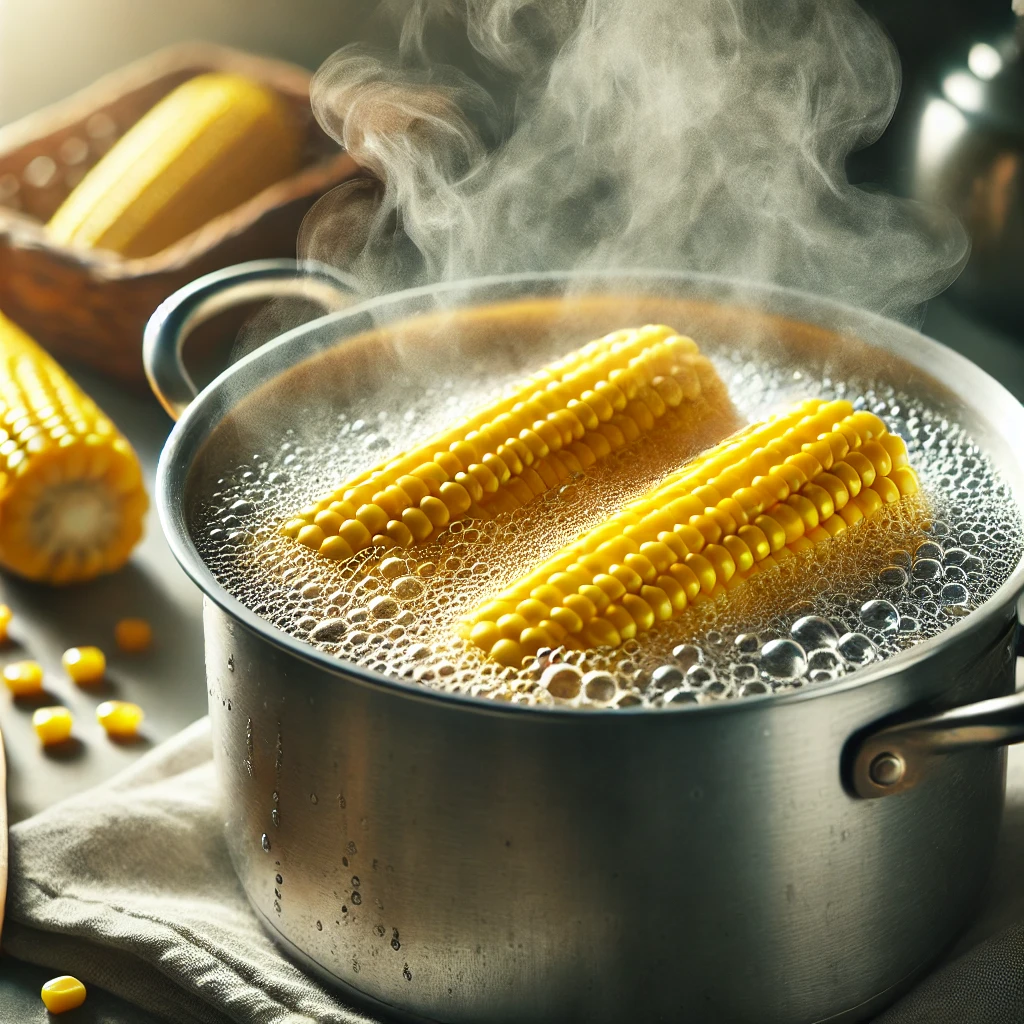
Once the water is boiling, carefully place the corn into the pot.
If your pot is not large enough to fit the ears horizontally, cut or break them in half.
Make sure each ear is fully submerged in the water.
4. Boil for 5-7 Minutes
Let the corn boil uncovered for 5–7 minutes.
You will notice the kernels become more vibrant and the corn will smell sweet.
Start checking at the 5-minute mark by piercing a kernel with a fork:
- If it’s tender with a light snap, it is ready.
- If you want it softer, let it go another minute or two.
The fresher the corn, the less time it usually needs.
5. Drain and Serve
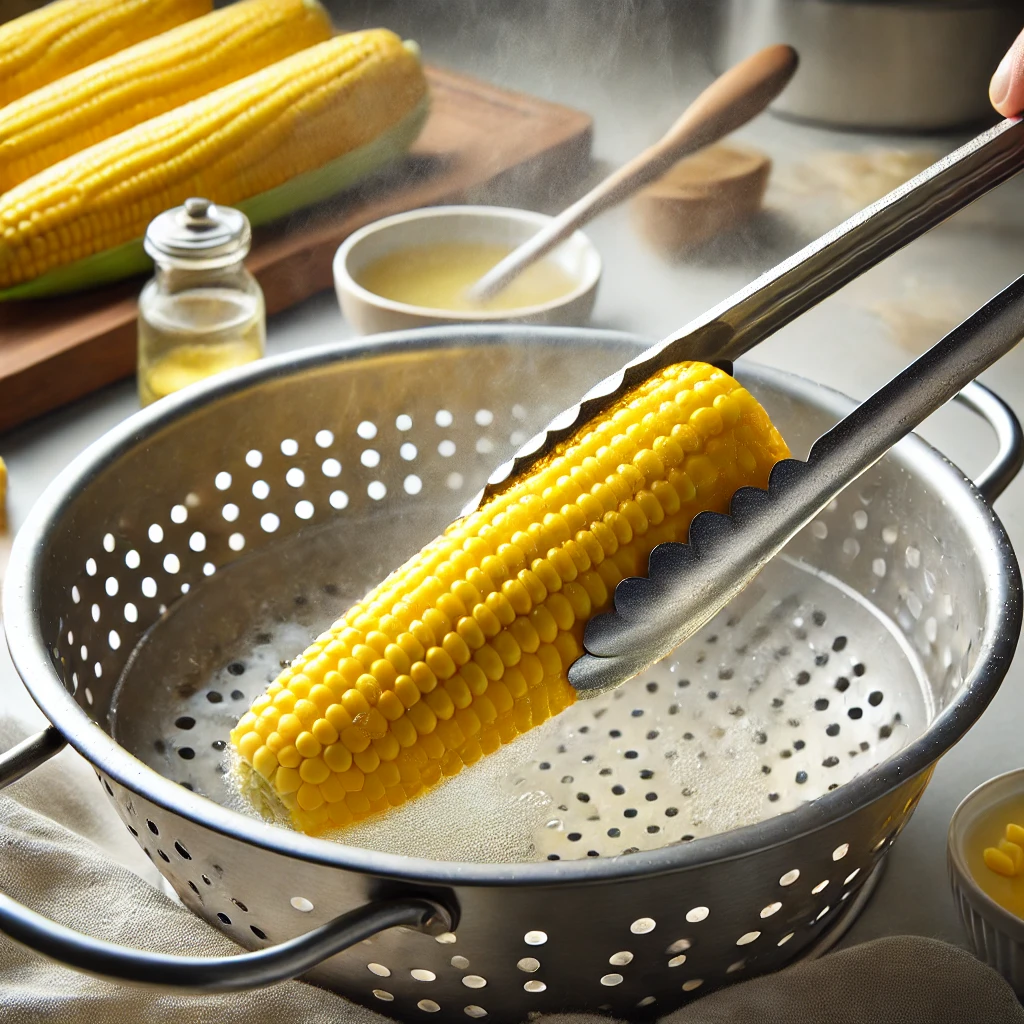
Use tongs to carefully lift the ears out of the pot and let any excess water drip off.
You can briefly set them in a colander or straight onto a serving platter.
While the corn is still hot, add:
- Melted butter or a pat of softened butter
- A sprinkle of salt and pepper
- Any extra toppings you love (herbs, cheese, spices, etc.)
Serve right away while the corn is steaming and the kernels are at their juiciest.
“If you love simple kitchen basics like this, you might also like my guide on how to clean fruit like a pro so your summer produce is ready for snacking and cooking.”
“And if you ever run out of cream for your sides and sauces, check out how to make heavy cream with just 2 ingredients.”
Bonus Tips for Extra Flavor
If you want to take your boiled corn on the cob from simple to memorable, here are some easy flavor upgrades to try.
“These same flavors work beautifully in other dishes too. Try serving your corn with a bowl of Cucumber Pasta Salad that’s crisp, creamy, and refreshing, or pour a Cherry-Red Smoothie on the side for a cool, antioxidant-rich drink.”
“For a full cookout-style plate, pair this corn with Air Fryer Turkey Wing Recipes or your favorite grilled meats.”
1. Add Sugar or Milk to the Boiling Water
If your corn is not very sweet, add a teaspoon of sugar or a splash of milk to the boiling water.
- Sugar helps highlight the natural sweetness.
- Milk adds a subtle creaminess to the kernels.
Pro tip: Whole milk works best, and you can stir in a small knob of butter for even more richness.
2. Flavored Butters for Serving
Flavored (compound) butters can turn plain corn into a fun, customizable side.
Mix softened butter with any of these combinations:
- Garlic herb butter: butter + minced garlic + chopped parsley + pinch of salt
- Spicy chipotle butter: butter + chopped chipotle in adobo + lime juice + cumin
- Honey butter: butter + honey + tiny pinch of cinnamon
- Parmesan basil butter: butter + grated Parmesan + chopped fresh basil
Pro tip: Roll your flavored butter into a log in parchment and chill. Slice a round onto each hot ear of corn.
3. Grilled Corn Topping After Boiling
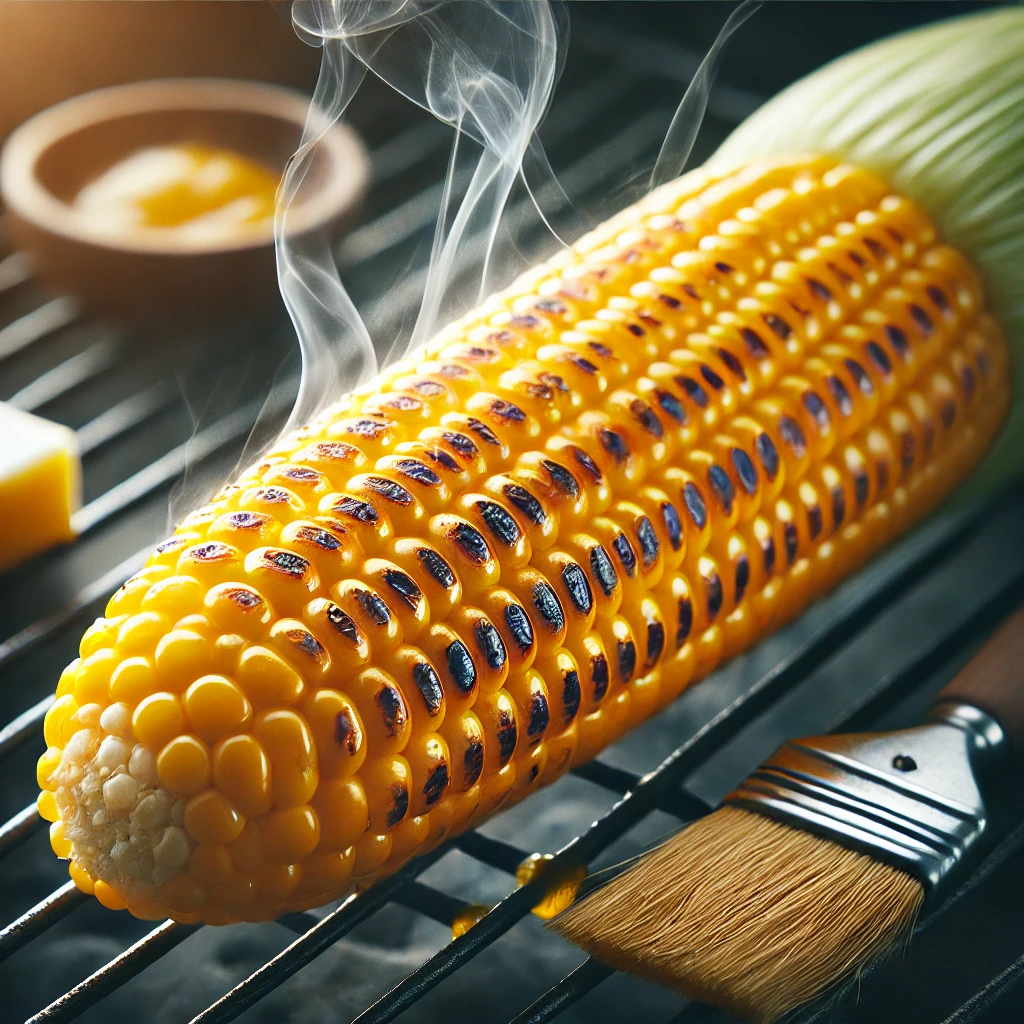
For smoky flavor without worrying about cooking the corn through on the grill, boil first and finish on the grates.
Once the corn is boiled and tender:
- Preheat your grill to medium-high.
- Brush the corn lightly with oil or melted butter.
- Grill for 2–3 minutes per side, just until charred in spots.
Pro tip: This works especially well if you’re already grilling other foods and want that same grilled flavor on your corn.
4. Squeeze Fresh Citrus
A squeeze of lime or lemon juice cuts through the richness of butter and makes the sweetness of the corn pop.
This is especially good with chili or smoky seasonings.
Pro tip: For a Mexican-style twist, brush the corn with mayonnaise, sprinkle cotija cheese, add chili powder, and finish with fresh lime juice.
5. Sprinkle with Seasoned Salt or Spices
Go beyond plain salt and pepper by adding a simple seasoning blend:
- Chili powder + lime for a tangy, slightly spicy kick
- Smoked paprika + garlic powder for a smoky, savory flavor
- Cajun seasoning for bold, zesty heat
Pro tip: Toss your favorite seasoning with a little melted butter and brush it on so it coats evenly.
6. Cheese Toppings
Cheese and corn love each other.
Try:
- Parmesan: grated over hot, buttered corn for a salty, nutty finish
- Cotija: crumbly and slightly salty, perfect with lime and chili powder
- Cheddar: melted or drizzled as a quick cheese sauce
Pro tip: For a quick cheese sauce, melt cheddar or pepper jack with a splash of milk, whisk until smooth, then spoon over the corn.
7. Fresh Herbs and Infused Oils
Fresh herbs add brightness and color to corn on the cob.
Try pairing:
- Cilantro + lime
- Basil + olive oil
- Thyme or rosemary + butter
Pro tip: Brush the corn with garlic-infused or truffle oil for extra depth without overpowering the natural sweetness.
8. Smoked Paprika and Bacon Crumbles
For a hearty, crowd-pleasing combo, top your corn with:
- A light dusting of smoked paprika
- A sprinkle of crispy bacon crumbles
You get sweetness, smokiness, and crunch all in one bite.
Pro tip: Cook and crumble the bacon ahead of time and keep it in the fridge. Warm it slightly before serving so it stays crisp.
9. Pickled Jalapeños and Hot Sauce
If you like heat, this one is for you.
Top your boiled corn with:
- Sliced pickled jalapeños
- A drizzle of your favorite hot sauce
The acidity from the pickles plus the spice from the hot sauce balances the sweet corn beautifully.
Pro tip: Stir a few drops of hot sauce into melted butter and brush it on for a spicy, even coating.
Common Mistakes to Avoid
Boiling corn on the cob is simple, but a few small mistakes can keep it from turning out its best. Here are the big ones to watch for:
- Overcooking the corn
Leaving corn in boiling water for too long is the fastest way to lose that fresh, sweet flavor. The kernels turn mushy and dull instead of juicy and bright.
Stick to the 5–7 minute window for fresh corn and 8–10 minutes for frozen, checking a kernel with a fork if you’re unsure. - Starting in cold water
Always bring the water to a full rolling boil before adding the corn. Starting the corn in cold water stretches out the cooking time and can lead to unevenly cooked kernels. - Forgetting to season at all
You don’t have to season the water heavily, but corn really shines with a little help. If you skip seasoning in the pot, be generous with butter, salt, and any toppings once the corn is cooked.
Pay attention to these small details and your corn on the cob will be consistently tender, sweet, and flavorful.
Conclusion
Now that you know how long to boil corn on the cob for the best flavor, you can make this simple side dish with confidence any night of the week.
Remember:
- For fresh corn, aim for 5–7 minutes in boiling water.
- For frozen corn, plan for 8–10 minutes.
From there, you can tailor the texture to your taste: a little shorter for more bite, a little longer for softer kernels.
Once you have the timing down, the fun is in the toppings.
Try different flavored butters, herbs, spices, cheese, or even a quick finish on the grill.
Whether you are making corn for a family barbecue, a holiday spread, or a quick weeknight dinner, perfectly boiled corn on the cob is always a crowd-pleaser.
“For a complete summer meal, serve this boiled corn alongside Melt-in-Your-Mouth Instant Pot Pork Loin or crispy Air Fryer Turkey Wings, plus a bowl of Cucumber Pasta Salad on the side. And if you want something sweet afterward, my moist Banana Cake makes the perfect dessert.”
FAQ: How Long to Boil Corn on the Cob for the Best Flavor
1. What’s the ideal boiling time for corn on the cob?
For fresh corn on the cob, the sweet spot is usually 5–7 minutes in boiling water.
- About 5 minutes gives you tender kernels with a slight snap.
- Around 7 minutes gives you softer, very tender corn.
For frozen corn on the cob, plan on 8–10 minutes so it heats through and softens fully.
2. Should I add salt to the water when boiling corn?
It’s optional.
Some people skip salt in the water because it can slightly toughen the kernels if used heavily. A safe approach is:
- Boil the corn in plain water.
- Then season generously with salt, butter, and toppings once it’s done.
If you want to flavor the water instead, you can add a teaspoon of sugar or a splash of milk for a sweeter, creamier result instead of relying on salt.
3. Do I need to remove the husk before boiling?
Most of the time, yes.
Removing the husk and silk before boiling:
- Helps the corn cook faster and more evenly
- Makes it easier to eat and serve
You can boil corn with some husk on if you like the slightly different flavor and texture.
Just peel the husks back, remove the silk, then fold the husks loosely over the cob before it goes into the pot.
4. Can I boil frozen corn on the cob?
Yes.
Frozen corn on the cob can go straight into boiling water.
You do not need to thaw it first. Just increase the boiling time to about 8–10 minutes, or until the kernels are hot and tender when pierced with a fork.
5. How can I tell when the corn is done?
Corn is done when:
- The kernels look bright and plump
- A fork or knife slides into a kernel easily
- The corn smells sweet and fragrant
If the kernels are still firm or hard to pierce, give them another minute or two and test again.
6. What can I add to the boiling water for extra flavor?
If you want to flavor the corn as it cooks, you can add:
- A teaspoon of sugar – boosts sweetness
- A splash of milk – adds a subtle creaminess
- A tablespoon of butter – for richer flavor
- A clove of garlic or bay leaf – for gentle savory notes
It is usually better to keep salt and strong seasonings for after cooking so the kernels stay tender.
7. What’s the best way to serve boiled corn on the cob?
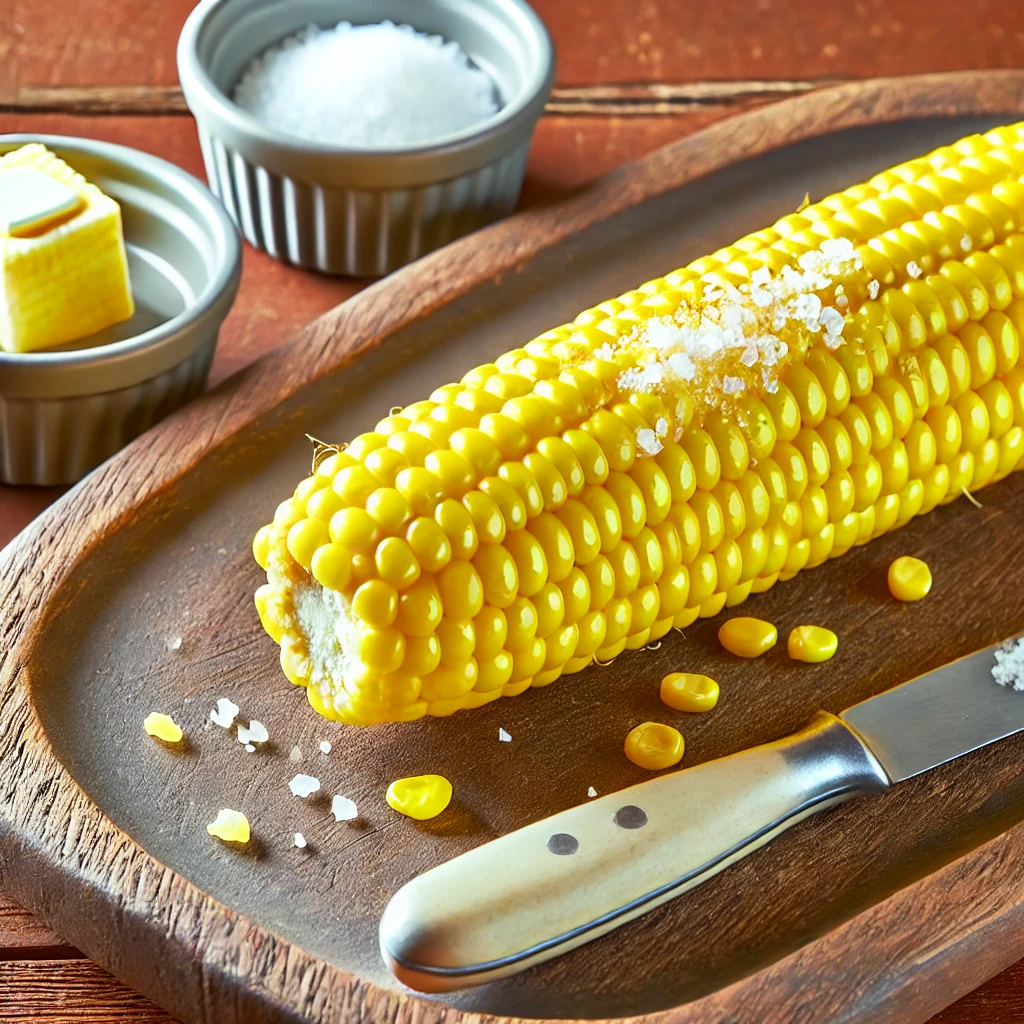
You can keep it classic or dress it up. Some favorite options:
- Simple: butter, salt, and pepper
- Mexican street corn (elote): mayonnaise, cotija cheese, chili powder, and lime juice
- Herb butter: softened butter mixed with garlic, parsley, basil, or chives
- Cheesy corn: melted cheddar or Parmesan drizzled over hot corn
Set out a few toppings and let everyone build their own.
8. Can I boil corn ahead of time and reheat it?
Yes, you can.
To reheat boiled corn:
- On the stove: place the corn in simmering (not rapidly boiling) water for 1–2 minutes.
- In the microwave: put the corn on a plate, cover with a damp paper towel, and heat for about 1 minute, checking and adding a little more time if needed.
Reheating gently helps keep the kernels from drying out.
9. What should I do if I overcook my corn?
If the corn is a bit softer than you’d like, you can still make it tasty:
- Add flavored butter, cheese, herbs, or spices to boost flavor.
- Give it a quick grill finish to add some char and texture.
It may not be perfect, but it can still be delicious.
10. Can I add seasoning directly to the corn while it boils?
You can add mild seasonings like:
- Garlic cloves
- Bay leaves
- A pinch of chili flakes
to the boiling water for a subtle infused flavor.
Stronger seasonings and salt are usually best added after boiling so you do not risk toughening the kernels or overpowering the natural sweetness of the corn.
Related Articles:
Crispy and Delicious: How to Make Air Fryer Corn on the Cob in Minutes!
How to Cook Beets: 5 Simple Methods for Perfectly Tender Beets Every Time
As an Amazon Associate I earn from qualifying purchases.